August 26, 2026
Understanding the significance of durable concrete services is essential for ensuring long-lasting structures. The path to durable concrete relies on high-quality raw ingredients, innovative placement methodologies, and proactive environmental protection strategies. By mastering foundational techniques and adapting to new industry advancements, builders can deliver robust surfaces that withstand heavy loads, changing weather, and extended operational lifespans.
Analyzing Material Formulations
Concrete is a carefully balanced composite material composed of cement, aggregates, water, and specialized admixtures. Each raw ingredient plays a vital role in determining the structural density, compressive strength, and overall longevity of the final product. Choosing proper mixing ratios prevents premature surface degradation and cracking under heavy stress. Utilizing high-grade stamped concrete mixtures ensures that decorative surface patterns retain their structural integrity and detailed textures over decades of continuous use.
Selecting Quality Aggregates
Aggregates form the structural backbone of any mix, directly influencing load capacity and surface wear resistance. Selecting well-graded, hard stone aggregates minimizes air voids and reduces internal shrinkage during the curing phase. Clean, properly sized aggregates improve mechanical bonding with the cement paste, preventing early surface scaling. Careful aggregate selection ensures the finished structure maintains its load-bearing performance throughout its intended lifespan.
Integrating Chemical Admixtures
Chemical admixtures allow concrete specialists to alter setting times, air content, and fluid workability for specific job sites. Water reducers increase compressive strength by lowering the required water-to-cement ratio without compromising fluidity. Air-entraining agents create microscopic bubbles that protect hardened slabs from freeze-thaw expansion damage. Leveraging advanced chemical additives ensures the material cures uniformly and resists severe environmental stressors.
Applying Modern Reinforcements
Reinforcing concrete with steel rebar, welded wire mesh, or synthetic fibers prevents structural failure under tension. While traditional steel bars supply necessary tensile strength, modern fiber-reinforced polymers provide high resistance to rust and chemical corrosion. Distributed synthetic fibers control micro-cracking during the initial plastic shrinkage stage, ensuring a smooth finish. Utilizing advanced reinforcement systems maintains structural integrity across high-traffic driveways and commercial slabs.
Executing Precision Placement
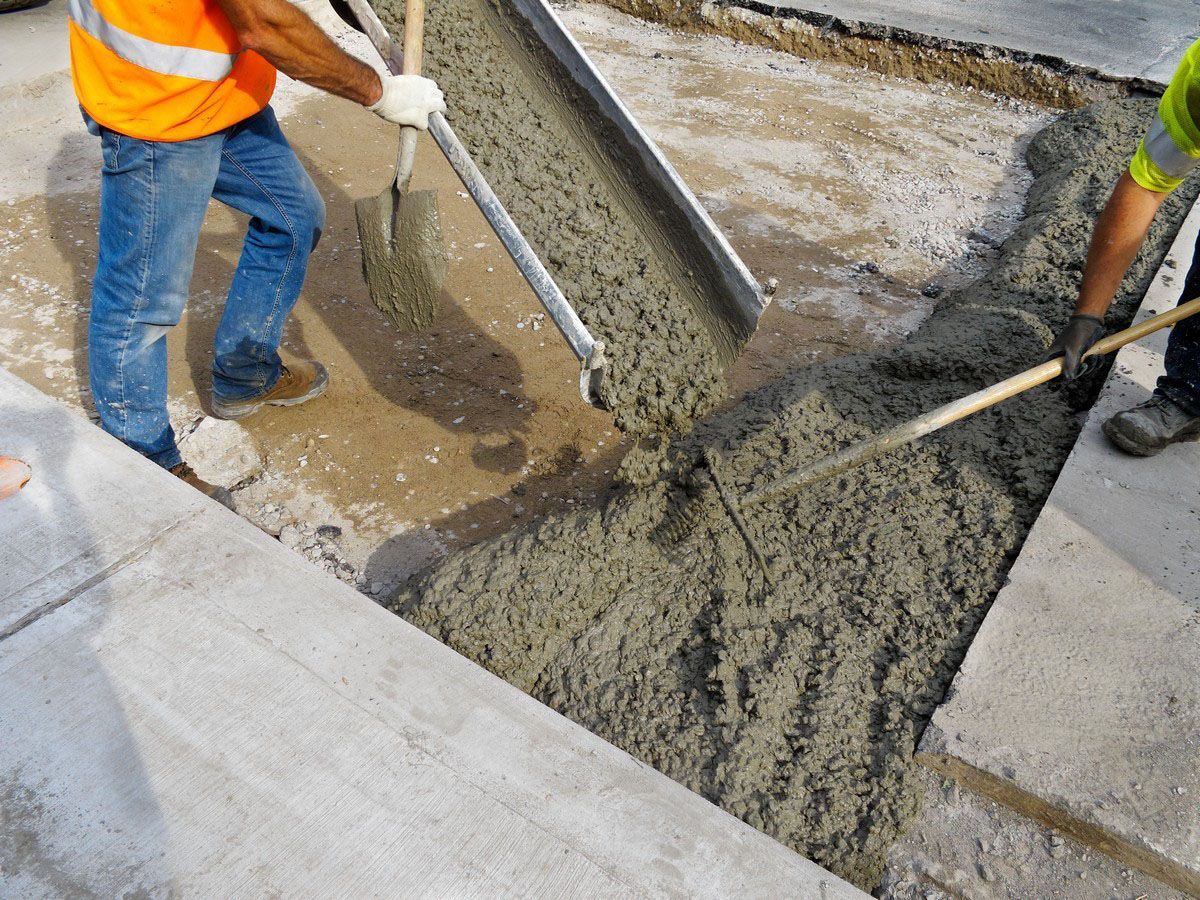
Accurate material placement eliminates internal voids, honeycombing, and weak seams within the finished slab. Utilizing laser levels, pumps, and mechanical vibrators guarantees that wet material fills every corner of the formwork evenly. Proper compaction removes trapped air pockets, maximizing final compressive strength and surface hardness. Professional placement techniques ensure that installed stamped concrete features maintain flat, uniform alignment across expansive outdoor patios and walkways.
Implementing Proper Curing
Controlling moisture and temperature during the curing phase is essential for achieving optimal hydration and maximum design strength. Preventing rapid surface evaporation reduces plastic shrinkage cracks and ensures a dense, durable top wear layer. According to This Old House, a stamped concrete walkway usually will last around 25 years with minimal repairs when properly installed and maintained. Utilizing liquid curing compounds or moist burlap blankets protects the curing slab from harsh sun and wind exposure.
Managing Maintenance Strategies
Proactive maintenance routines protect outdoor slabs from premature surface wear, moisture intrusion, and chemical staining. Inspecting surfaces annually allows property owners to seal minor hairline cracks before water penetrates the underlying sub-base. Applying protective breathable sealants shields decorative finishes from de-icing salts, oil spills, and severe weather fading. Consistent preventative care extends the service life of exterior surfaces while preserving original surface colors and textures.
Evaluating Regional Climates
Designing concrete mixes requires assessing local climate conditions, including ambient humidity, rainfall volume, and seasonal temperature swings. Slabs poured in freeze-thaw zones require higher air-entrainment levels to accommodate expanding internal moisture without spalling. Coastal projects require dense, low-permeability mixes to shield embedded steel rebar from airborne salt corrosion. Customizing material formulations to local climate demands ensures predictable, long-term performance outdoors.
Resisting Thermal Stress
Extreme temperature fluctuations cause thermal expansion and contraction, which can create internal stresses and surface cracking. Incorporating specialized expansion joints at calculated intervals gives the slab space to shift safely without fracturing. Utilizing thermal-resistant admixtures helps stabilize the curing process in high-heat environments. Engineering slabs to accommodate continuous thermal movement preserves structural stability across changing seasons.
Protecting Against Moisture
Moisture penetration is a primary cause of concrete degradation, leading to freeze-thaw spalling, mold growth, and rebar corrosion. Applying high-performance penetrating sealants creates a hydrophobic barrier that repels standing surface water. Incorporating low-permeability mix additives restricts water migration through sub-surface capillaries. Protecting slabs from liquid infiltration safeguards structural integrity and prevents costly surface repairs.
Engineering Seismic Resilience
Structures built in active seismic zones require enhanced ductility and load distribution capabilities to withstand ground movement. Utilizing post-tensioned cables, specialized joint details, and flexible fiber reinforcement helps absorb seismic energy without catastrophic failure. Advanced structural modeling allows engineers to position reinforcement where seismic tension forces are highest. Designing for ground movement protects human safety and preserves building foundations during earth tremors.
Adapting Responsive Materials
Innovations in material science have introduced adaptive concrete formulations capable of responding dynamically to environmental damage. Self-healing mixes utilize micro-encapsulated bacteria or chemical agents that automatically seal sub-surface hairline cracks when exposed to water. These responsive materials prevent small fissures from expanding into major structural failures over time. Investing in adaptive material technology drastically reduces long-term maintenance costs for modern infrastructure.
Calculating Investment Returns
While high-grade concrete services require a higher initial investment, they deliver superior financial returns over their operational lifespan. Investing in premium raw materials and professional installation prevents frequent repair costs, surface re-sheeting, and early structural replacement. High-durability slabs maintain their structural function and aesthetic appeal with minimal routine maintenance. Evaluating total cost over time proves that upfront quality yields substantial long-term savings for property owners.
Conducting Lifecycle Analyses
Lifecycle cost analysis evaluates initial installation expenses alongside routine sealing, crack repair, and eventual end-of-life disposal costs. High-performance slabs feature significantly lower lifecycle costs compared to cheaper, poorly installed alternatives that require frequent maintenance. Understanding the true long-term financial impact encourages builders to prioritize quality materials and proper site preparation. Thorough lifecycle planning ensures projects remain cost-effective across their operational duration.
Minimizing Replacement Needs
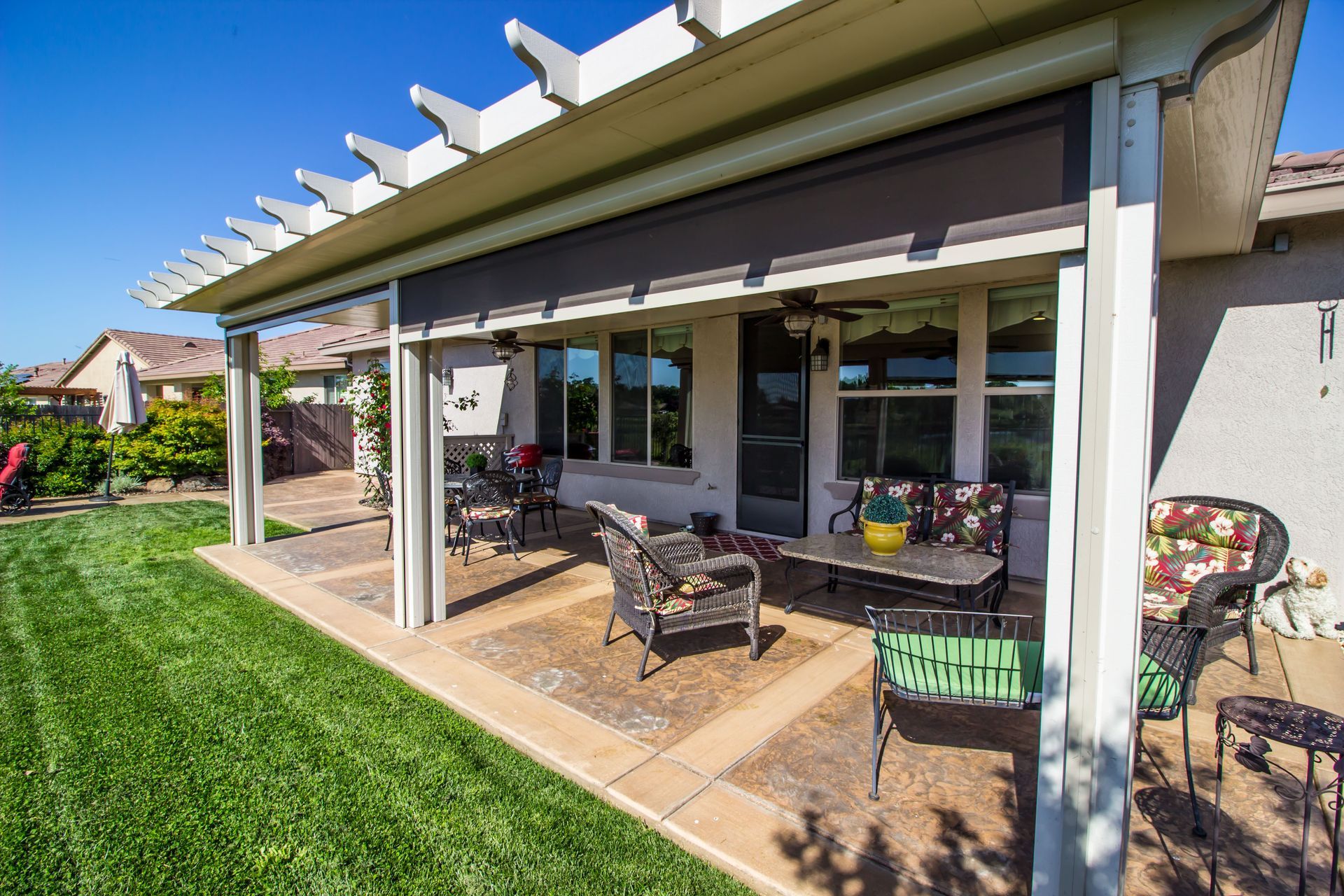
Utilizing durable materials and sound installation techniques eliminates the hassle and expense of frequent slab tear-outs. High-density mixtures withstand heavy vehicular loads, foot traffic, and environmental exposure without fracturing. Avoiding premature replacements reduces construction noise, site downtime, and raw material waste. Installing durable stamped concrete surfaces guarantees long-lasting outdoor living areas that require only periodic cleaning and resealing.
Embracing Recent Innovations
Recent field developments have transformed how contractors place, finish, and protect exterior slabs. Utilizing 3D laser screeds ensures perfectly flat floor pours, while digital maturity sensors monitor real-time curing strength beneath the surface. Applying high-definition texture stamps allows custom stamped concrete pool decks and driveways to mimic natural slate, granite, or hardwood planks seamlessly. Integrating technological innovations improves project efficiency while elevating finished aesthetic quality.
Growing Modular Prefabrication
Off-site prefabrication and modular concrete construction offer controlled manufacturing environments that guarantee consistent quality control. Pouring components inside climate-controlled factories eliminates job site weather delays and optimizes cure times. Prefabricated panels arrive ready for immediate site assembly, drastically shortening overall construction schedules. Expanding modular construction trends provide efficient, high-strength building solutions for modern urban development.
The concrete industry continues to evolve by addressing raw material shortages, rising environmental regulations, and changing climate patterns. Meeting these future challenges requires continuous investment in workforce training, sustainable material research, and modern placement machinery. Prioritizing durability and eco-friendly practices ensures that concrete remains the world's premier structural building material. To elevate your property with high-quality, long-lasting decorative surfaces, contact Northwest Concrete Design LLC.