November 15, 2026
Concrete is a versatile construction material used for driveways, patios, walkways, and numerous residential and commercial applications. Its durability, strength, and adaptability make it a practical choice for property improvements. However, selecting the appropriate finish can significantly influence a surface’s appearance, maintenance requirements, and overall value. Understanding the differences between traditional concrete and decorative concrete helps property owners make informed decisions.
While both options share similar structural characteristics, they serve different aesthetic and functional purposes. Traditional concrete emphasizes simplicity and practicality, while customized finishes provide greater design flexibility. Comparing their features allows homeowners to determine which option best complements their property, budget, and long-term expectations.
Comparing the Appearance of Each Concrete Type
Appearance is among the most noticeable differences between conventional and customized concrete surfaces. Traditional concrete typically features a neutral gray color with a smooth, broomed, or lightly textured finish. Its understated appearance makes it suitable for functional spaces where durability takes priority over elaborate visual details.
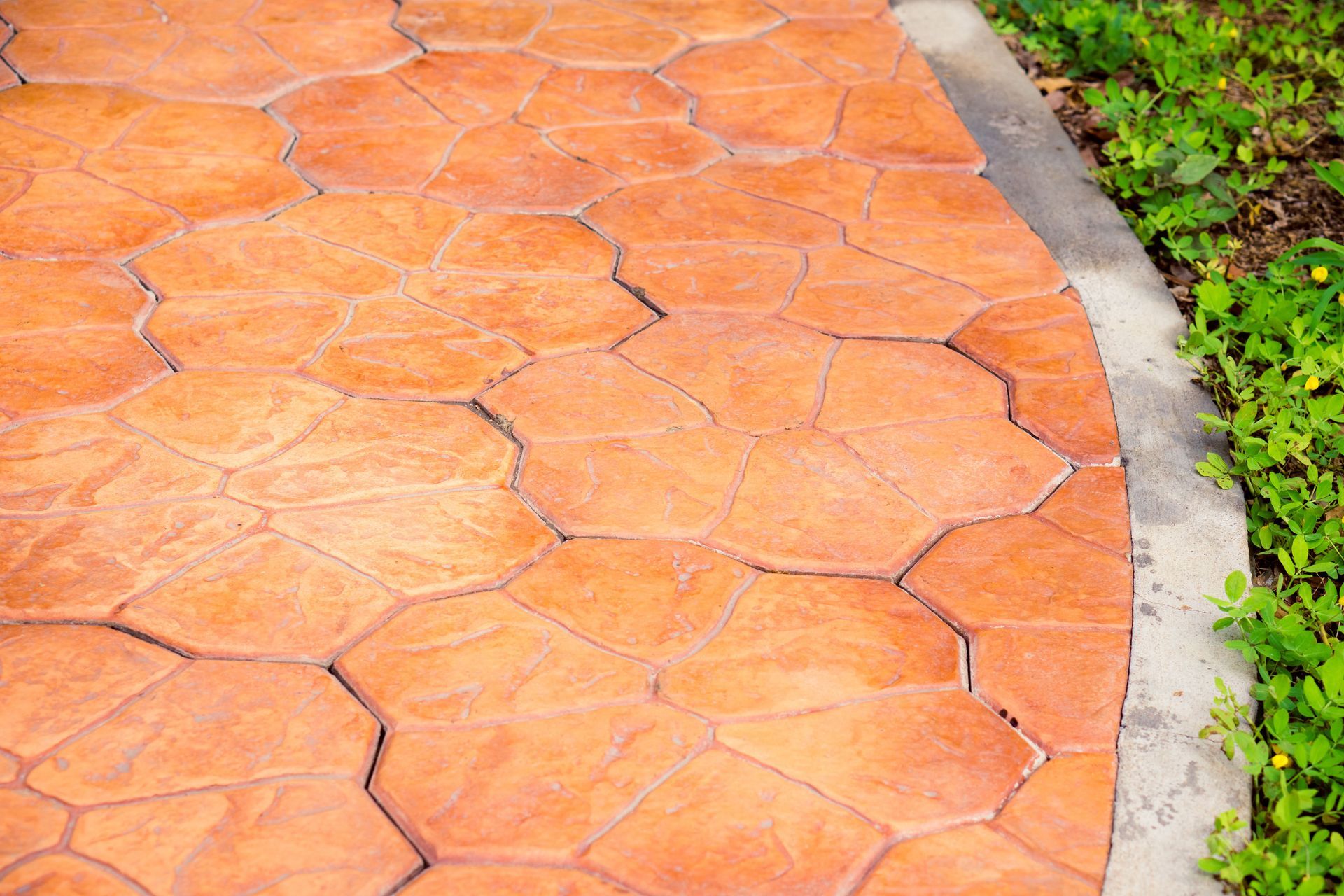
Decorative concrete offers greater aesthetic flexibility through specialized stamping, staining, coloring, and texturing techniques. These treatments can create surfaces resembling natural stone, brick, slate, or other architectural materials. Property owners can select patterns and colors that complement exterior walls, landscaping elements, and surrounding structures.
Comparing the Durability of Each Concrete Type
Durability is essential when selecting materials for surfaces exposed to regular pedestrian activity, vehicle traffic, and changing weather conditions. Traditional concrete provides dependable performance when properly installed and maintained. Its structural reliability makes it suitable for driveways, sidewalks, and other frequently used areas.
However, environmental conditions can influence long-term performance. Soil movement, moisture penetration, temperature fluctuations, and excessive loading may contribute to cracking or surface deterioration. Appropriate installation practices and maintenance help reduce these concerns.
Decorative concrete can provide comparable structural durability because its underlying composition remains similar to conventional concrete. Surface treatments primarily influence appearance rather than automatically increasing structural strength. Certain protective coatings may also help reduce staining and moisture exposure.
Comparing the Design Options of Each Concrete Type
Design flexibility represents another important distinction between these materials. Traditional concrete offers relatively limited customization, although contractors can incorporate different textures, joint patterns, and surface configurations. These options work well for properties requiring straightforward installations with a uniform appearance.
Decorative concrete expands the available design possibilities considerably. Stamped finishes can imitate natural paving materials, while stains and pigments introduce colors ranging from subtle earth tones to deeper architectural shades. Exposed aggregate treatments reveal embedded stones, creating additional texture and visual interest.
Comparing the Installation Requirements of Each Concrete Type
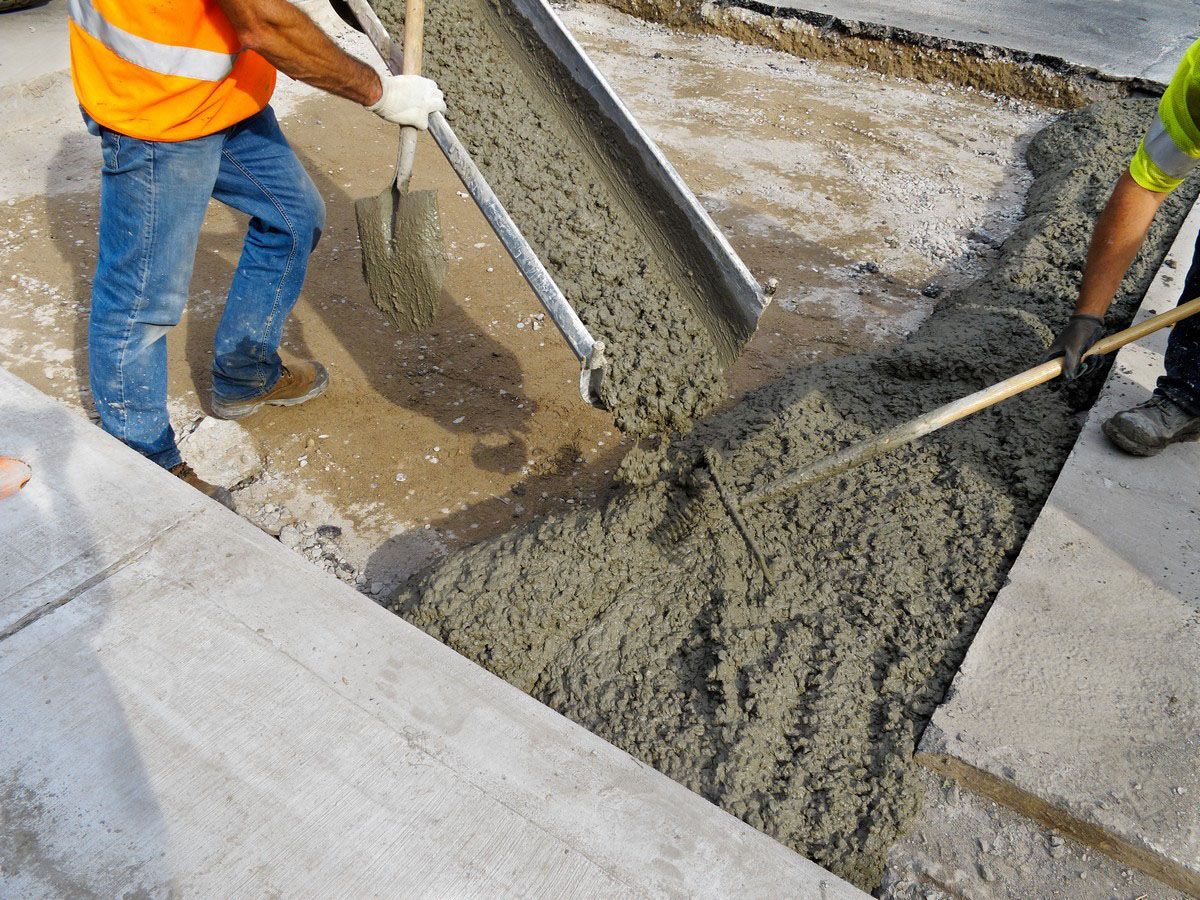
Installation requirements vary according to project complexity and the desired surface finish. Traditional concrete generally involves conventional placement and finishing methods that produce a consistent appearance. Nevertheless, proper ground preparation, reinforcement, drainage, and curing remain essential for reliable results.
Decorative concrete often requires additional expertise because specialized treatments must be coordinated with the material’s setting characteristics. Stamping, coloring, and texturing techniques may involve particular equipment, finishing products, and carefully managed application conditions.
Weather conditions can also influence installation quality. Temperature, humidity, and precipitation affect concrete placement and curing, making appropriate scheduling important. Contractors must account for these variables while maintaining consistent surface characteristics throughout the project.
Comparing the Maintenance Needs of Each Concrete Type
Maintenance requirements influence both the appearance and longevity of concrete installations. Traditional concrete generally benefits from routine cleaning, periodic inspections, and timely attention to developing cracks or surface damage. Protective sealing may also be appropriate depending on environmental exposure and intended use.
Decorative concrete may require additional maintenance to preserve its colors, textures, and protective finishes. Stamped or stained surfaces can benefit from periodic resealing, particularly in areas exposed to frequent traffic, sunlight, or moisture.
Cleaning methods should also reflect the characteristics of the surface. Aggressive chemicals or unsuitable equipment may damage protective coatings or alter decorative finishes. Following professional maintenance recommendations helps preserve the installation’s appearance.
Neither option is entirely maintenance-free. Understanding the responsibilities associated with each finish allows property owners to establish realistic expectations and protect their investment over time.
Comparing the Environmental Benefits of Each Concrete Type
Environmental considerations increasingly influence construction and landscaping decisions. Traditional concrete provides durable surfaces that can remain functional for extended periods when properly maintained. However, conventional impermeable installations may contribute to stormwater runoff by preventing rainwater from naturally entering the ground.
Decorative concrete can incorporate specialized designs that support more effective stormwater management. According to Fortune Business Insights, permeable pavement systems integrated into decorative concrete projects can reduce stormwater runoff by 25% to 100%. These systems allow water to pass through appropriately designed surfaces, potentially reducing the amount of runoff entering surrounding drainage infrastructure.
However, not every customized finish provides these environmental benefits. Permeability depends on the underlying pavement system, installation specifications, and site conditions rather than decorative appearance alone.
Property owners interested in environmentally conscious improvements should discuss drainage requirements and available permeable options with qualified contractors. Appropriate material selection can help balance appearance, functionality, and environmental considerations.
Comparing the Costs of Each Concrete Type
Budget considerations frequently influence the selection of concrete materials. Traditional concrete generally offers a more economical installation because its finishing requirements are comparatively straightforward. This makes it particularly practical for large functional surfaces where customization is not a priority.
Decorative concrete typically involves additional expenses associated with specialized labor, coloring products, stamping equipment, and finishing materials. Intricate patterns, customized colors, and detailed borders can increase project complexity and overall installation costs.
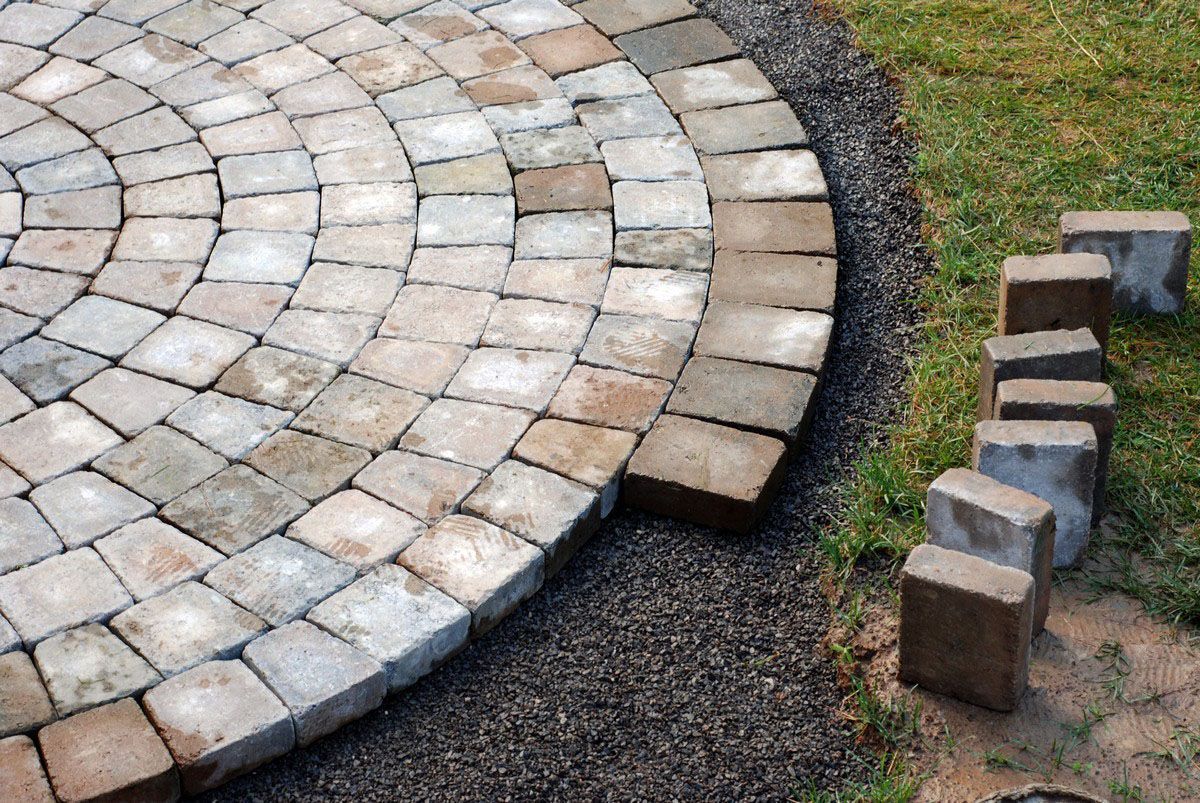
However, customized concrete can provide the appearance of premium paving materials without requiring separate stone or brick installations. This flexibility may appeal to property owners seeking distinctive outdoor surfaces while maintaining the structural advantages of concrete.
Long-term expenses should also influence the decision. Maintenance requirements, protective treatments, potential repairs, and expected surface performance contribute to overall ownership costs. Comparing these factors helps property owners evaluate the financial implications of each option.
Comparing the Applications of Each Concrete Type
Different applications benefit from different concrete finishes. Traditional concrete remains a practical choice for utility-focused installations such as sidewalks, equipment pads, service areas, and functional driveways. Its simple appearance allows it to blend into surrounding environments without drawing unnecessary attention.
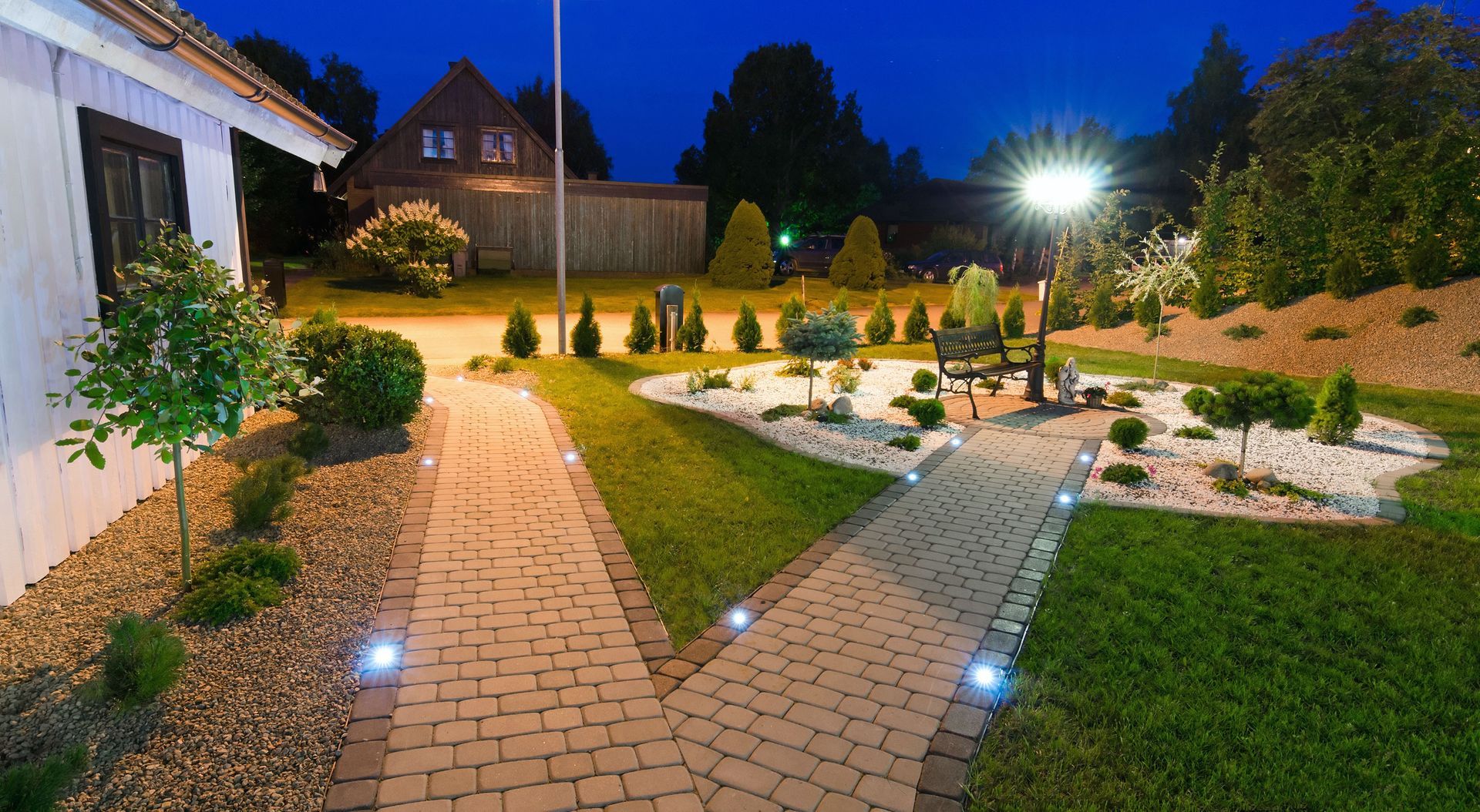
Customized concrete finishes are particularly suitable for areas where visual presentation contributes to the property’s overall appeal. Patios, entryways, pool decks, and outdoor entertainment spaces can benefit from carefully selected colors and textures. These treatments help establish inviting environments while maintaining the practical characteristics of concrete.
However, appearance should never overshadow functional requirements. Poolside surfaces require appropriate slip resistance, while driveways must accommodate expected vehicle loads. Drainage, accessibility, and environmental exposure also influence the suitability of particular finishes.
Choosing the appropriate material involves understanding how each space will be used. A conventional finish may be preferable for service areas, while customized surfaces may better complement prominent outdoor gathering spaces.
Comparing the Long-Term Value of Each Concrete Type
Long-term value involves more than installation expenses or immediate appearance. Traditional concrete offers dependable functionality and relatively straightforward maintenance, making it suitable for property owners who prioritize practicality. Its neutral finish can also accommodate future landscaping or architectural changes.
Customized finishes may enhance a property’s visual appeal by creating distinctive outdoor surfaces. Coordinated colors, textures, and patterns can complement existing structures and contribute to a cohesive exterior environment. However, aesthetic improvements do not automatically guarantee increased property value.
The most appropriate investment depends on intended use, maintenance expectations, and overall project goals. Selecting suitable materials and qualified installation professionals helps ensure either approach delivers lasting functionality.
Choosing the Right Concrete Finish for Your Property
Traditional and customized concrete finishes offer distinct advantages depending on the intended application. Conventional concrete emphasizes simplicity, functionality, and cost efficiency, while decorative treatments provide greater opportunities for personalization and architectural coordination.
Both options can deliver dependable performance when properly installed and maintained. Evaluating design preferences, environmental conditions, maintenance responsibilities, and budget limitations helps property owners determine which approach best meets their needs.
At Northwest Concrete Design LLC, we help homeowners explore concrete solutions that combine functionality with lasting visual appeal. Our team can discuss available finishes, evaluate project requirements, and recommend options suited to your property. Contact us today to learn more about our services and discover how we can help transform your outdoor spaces.