February 13, 2026
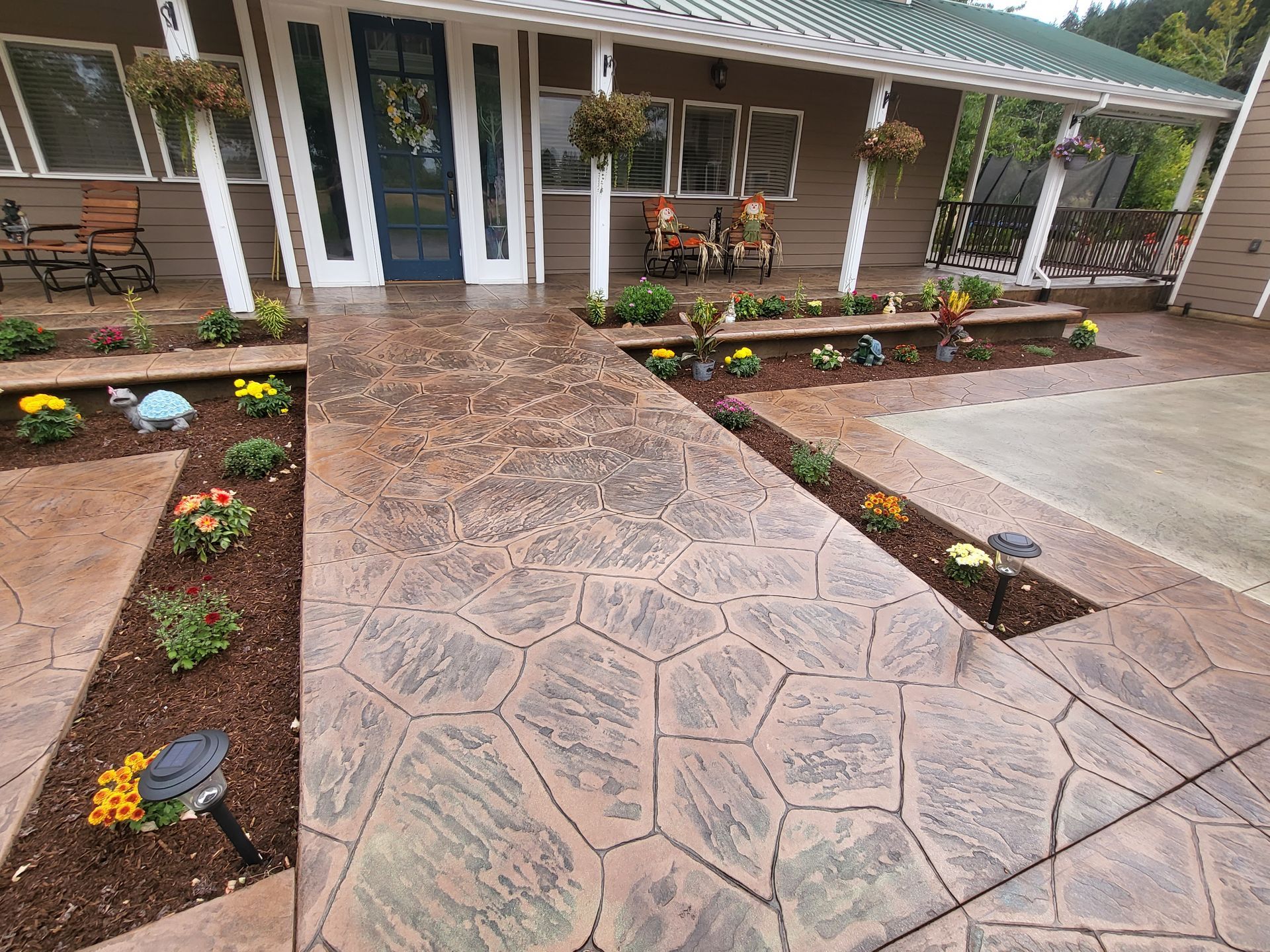
Stamped concrete surfaces have become a popular choice for homeowners and property managers seeking a balance of durability, affordability, and visual appeal. Designed to replicate the look of natural stone, brick, slate, or wood, stamped concrete elevates outdoor spaces while offering a seamless, long-lasting surface. Patios, driveways, walkways, and pool decks all benefit from its strength and customization options. However, like any exterior feature, stamped concrete requires proper care to retain its appearance and performance. For those who have invested in local stamped concrete, understanding maintenance best practices is essential to protecting both the surface and the investment. With consistent upkeep and informed care, stamped concrete can continue to enhance a property for many years.
Understand Stamped Concrete and Its Longevity Factors
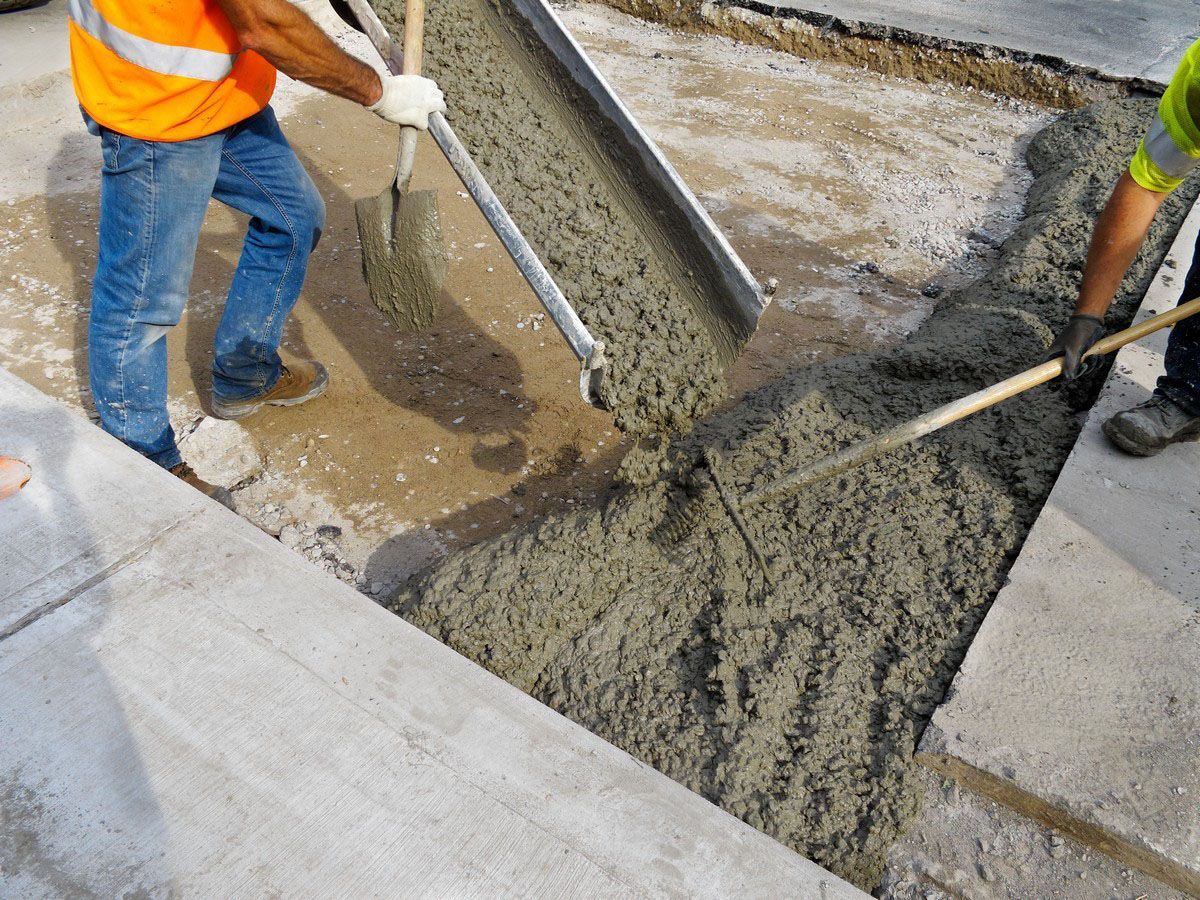
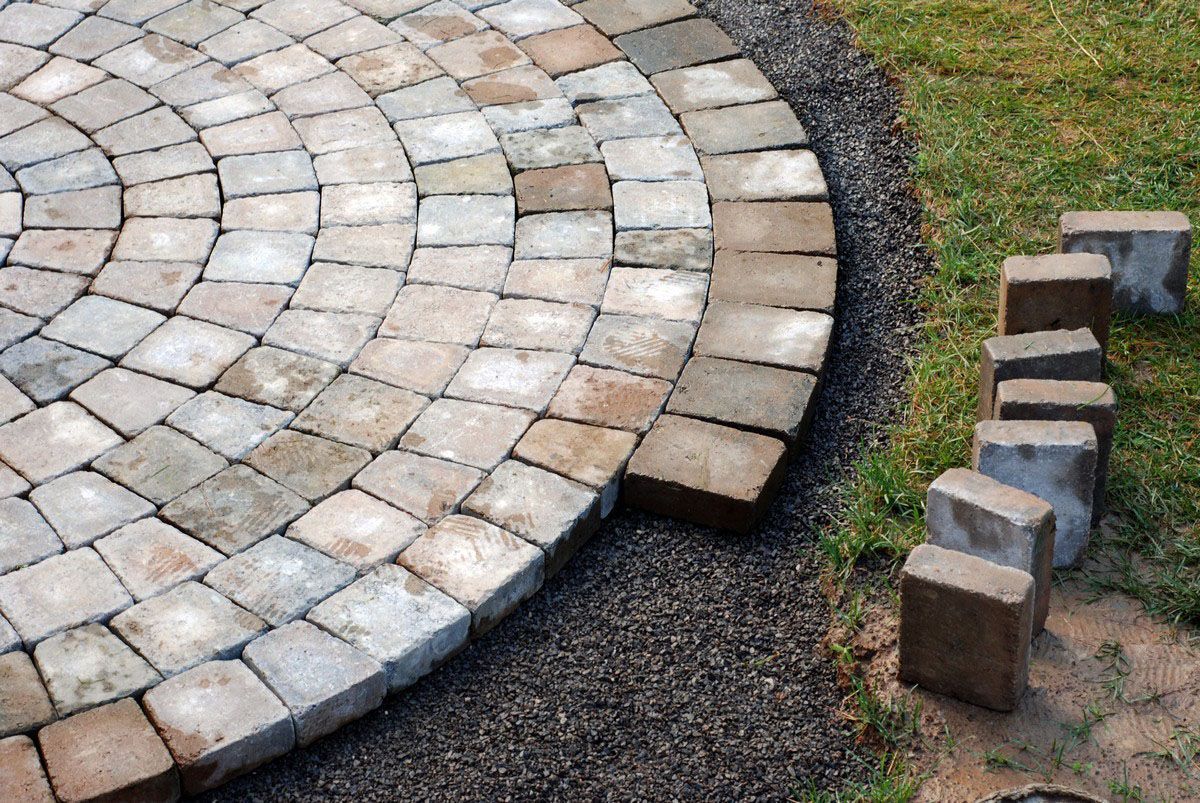
Stamped concrete begins as traditional concrete that is poured, colored, and textured before it fully cures. This process creates a decorative finish while maintaining the strength of a solid slab. One of the major advantages of local stamped concrete is its ability to withstand heavy foot traffic, vehicle loads, and environmental exposure when installed correctly. Unlike pavers or bricks, the seamless nature of stamped concrete reduces shifting, weed growth, and uneven settling.
Longevity is influenced by several factors, including installation quality, climate conditions, and ongoing maintenance. According to Today’s Homeowner, a properly installed concrete overlay can last 10 to 15 years or more when maintained correctly. Surfaces exposed to frequent freeze-thaw cycles, heavy vehicle traffic, or prolonged sun exposure may experience wear more quickly if maintenance is neglected. Understanding how these factors affect stamped concrete allows property owners to take proactive steps that extend service life and preserve surface integrity.
Perform Routine Cleaning to Preserve Visual Appeal
Regular cleaning is one of the simplest yet most effective ways to maintain stamped concrete surfaces. Dirt, leaves, pollen, and debris can accumulate over time, trapping moisture against the surface and causing discoloration or organic growth. Weekly sweeping helps prevent buildup and keeps local stamped concrete patios and walkways looking clean and well-kept. Neglecting routine cleaning can also allow fine grit to act like sandpaper under foot traffic, gradually wearing down the sealed surface. Consistent upkeep reduces long-term maintenance demands and helps preserve both the texture and color of the concrete.
In addition to sweeping, periodic washing removes embedded grime and surface residue. Mild detergents mixed with warm water are typically sufficient for routine cleaning without harming the decorative finish or protective sealer. Harsh chemicals, acidic solutions, and abrasive tools should be avoided, as they can degrade surface texture and shorten the lifespan of the sealer. Pressure washing can be effective when done carefully, using moderate pressure and maintaining a safe distance to prevent surface damage. Cleaning schedules should reflect environmental conditions, with shaded or high-traffic areas requiring more frequent attention.
Apply Seal Coating to Protect and Enhance Surfaces
Seal coating plays a critical role in protecting stamped concrete from environmental damage and everyday wear. Sealers act as a barrier against moisture intrusion, stains, UV exposure, and surface abrasion. They also enhance color depth and accentuate patterns, helping local stamped concrete maintain its original appearance. Without proper sealing, surfaces are more susceptible to fading, cracking, and staining over time. Regular application of a high-quality sealer not only preserves aesthetics but also extends the functional lifespan of the concrete, reducing the need for costly repairs.
There are several types of sealers available, including penetrating sealers designed for moisture resistance and topical sealers that add sheen and color enhancement. Most stamped concrete surfaces benefit from resealing every two to three years, though climate and usage may require adjustments to this timeline. Signs that resealing is needed include fading color, water absorption during rain, and a dull or uneven surface finish. Proper preparation is essential, as sealers should only be applied to clean, dry surfaces to ensure optimal adhesion and long-term protection.
Repair Minor Damage Before It Worsens
Over time, even well-maintained stamped concrete may develop minor cracks, surface chips, or wear patterns. Temperature changes, moisture exposure, and routine use can all contribute to gradual deterioration. Early identification of these issues is essential to preventing more extensive damage. Regular inspections are especially important for local stamped concrete driveways and walkways that experience consistent vehicle or foot traffic.
Minor repairs often involve cleaning the affected area, applying a compatible patching compound, and carefully blending the repair into the surrounding pattern. Once the repair material has cured, resealing the area restores protection and visual consistency. Preventive practices, such as ensuring proper drainage and avoiding dragging heavy furniture across the surface, further reduce the likelihood of damage. When cracks are large or repairs require complex pattern matching, professional services are recommended to ensure structural stability and aesthetic continuity.
Protect Stamped Concrete Against Seasonal and Weather Stress
Seasonal changes place additional stress on stamped concrete surfaces, making seasonal maintenance an important part of long-term care. In colder climates, freeze-thaw cycles can cause moisture within the concrete to expand and contract, leading to cracks if the surface is not adequately sealed. Proper drainage and timely sealing help protect local stamped concrete during winter months. Using non-corrosive ice melt products instead of traditional rock salt reduces the risk of chemical damage.
In warmer climates, prolonged sun exposure can fade colors and dry out the surface. Sealers with UV inhibitors help preserve color vibrancy and minimize surface wear. Managing water runoff year-round is equally important, as pooling water can erode sealers and contribute to moisture-related damage. Ensuring proper grading and directing water away from stamped concrete surfaces supports durability and reduces maintenance challenges across all seasons. Adding shade through landscaping or awnings can further protect surfaces from direct sunlight, reducing thermal stress. Additionally, occasional light cleaning during dry periods prevents dust and debris buildup that can accelerate surface wear.
Develop a Long-Term Maintenance Plan
Long-term care for stamped concrete is most effective when guided by a consistent maintenance plan. Establishing a schedule for cleaning, inspections, resealing, and minor repairs allows property owners to address issues before they escalate. Investing in high-quality cleaners, sealers, and repair materials ensures that maintenance efforts provide lasting results. For larger local stamped concrete installations, periodic professional inspections add an extra layer of protection.
Professional evaluations can identify subtle wear patterns, moisture issues, or sealant failures that may not be immediately visible. These assessments help property owners make informed decisions about resealing, repairs, or surface upgrades. Over time, some homeowners choose to refresh stamped concrete with updated finishes or protective coatings, extending usability while aligning with evolving design preferences and functional needs. Regular professional inspections also provide guidance on preventative measures that can save time and money in the long run. By addressing small issues early, homeowners ensure their local stamped concrete maintains both its visual appeal and structural integrity for years to come.
Stamped concrete is a durable and visually striking solution for enhancing outdoor spaces, but its longevity depends on consistent care and informed maintenance practices. By understanding construction factors, maintaining regular cleaning routines, applying protective sealers, addressing minor damage promptly, and preparing for seasonal conditions, property owners can protect their local stamped concrete for the long term. A proactive approach not only preserves appearance but also minimizes repair costs and extends surface life. For professional guidance and reliable results, contact Northwest Concrete Design LLC today and take the next step toward protecting and maintaining your stamped concrete surfaces with confidence.